
Compare Local Contractors for Water Treatment Replacement Services
Compare local contractors for water treatment replacement to define scope, verify experience, and set clear expectations before hiring.
Water treatment replacement services typically involve removing outdated or malfunctioning water treatment systems and installing new units to ensure water quality and system efficiency. This work can encompass replacing filters, softeners, reverse osmosis units, or other treatment components that have reached the end of their service life or are no longer functioning properly. Properly executed replacement work helps maintain safe, clean water for residential or commercial properties, and may also involve upgrades to more advanced or suitable systems based on specific water quality needs.
Defining the scope of water treatment replacement is a crucial step in ensuring the work meets the property owner’s expectations. Clearly outlining what components will be replaced, the extent of the work involved, and any additional services or upgrades needed helps prevent misunderstandings. A well-defined scope also provides a basis for comparing proposals from different service providers, enabling property owners to assess what is included and ensure the contractor’s offerings align with their water quality goals. Documenting these details in writing can help set clear expectations and serve as a reference throughout the project.
When evaluating local contractors for water treatment replacement, property owners should consider their experience with similar systems and the types of water quality issues specific to the area. Comparing service providers involves reviewing their credentials, asking about their familiarity with local water conditions, and understanding their approach to defining and handling the scope of work. It’s also helpful to verify that contractors provide detailed proposals that specify the work to be performed, the materials used, and the expected outcomes. Taking the time to compare these factors can lead to selecting a service provider capable of delivering reliable, effective water treatment replacement tailored to the property’s needs.
Compare local contractors by outlining your priorities, verifying experience, and setting clear expectations in writing.
- Compare Contractor Credentials - Verify the experience and reputation of local contractors to ensure quality water treatment replacement services.
- Define Project Scope - Clearly outline the work to be done and expectations in writing to avoid misunderstandings.
- Assess Service Offerings - Review the range of services provided by local contractors to match specific water treatment needs.
- Request Detailed Proposals - Obtain written proposals that specify work scope, materials, and procedures for informed decision-making.
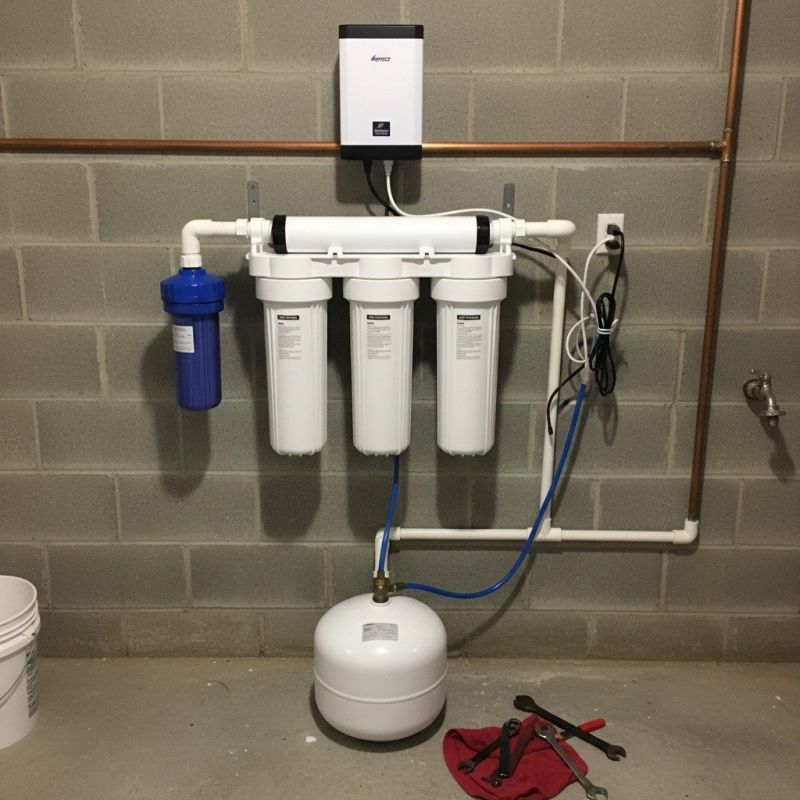
Clearly define your water treatment replacement project before comparing local contractors to ensure accurate scope and expectations.
- Verify experience and expertise of local contractors in water treatment replacement projects. - Ensure service providers clearly define the scope of work and the materials to be used.
- Compare multiple local contractors to assess their approach and level of detail in the replacement process. - Look for providers who offer written estimates outlining the specific tasks involved.
- Check references or reviews to gauge the quality of previous water treatment replacement work performed by local service providers. - Confirm that contractors are knowledgeable about the type of water treatment system being replaced.
- Discuss and document the expected outcomes and performance standards in a detailed written agreement. - Ensure that all project expectations are clearly communicated and agreed upon before work begins.
- Assess the communication style and responsiveness of local contractors to determine their professionalism and reliability. - Choose service providers who provide thorough explanations and are transparent about their procedures.
Compare local contractors to clarify scope, verify experience, and set clear expectations in writing.

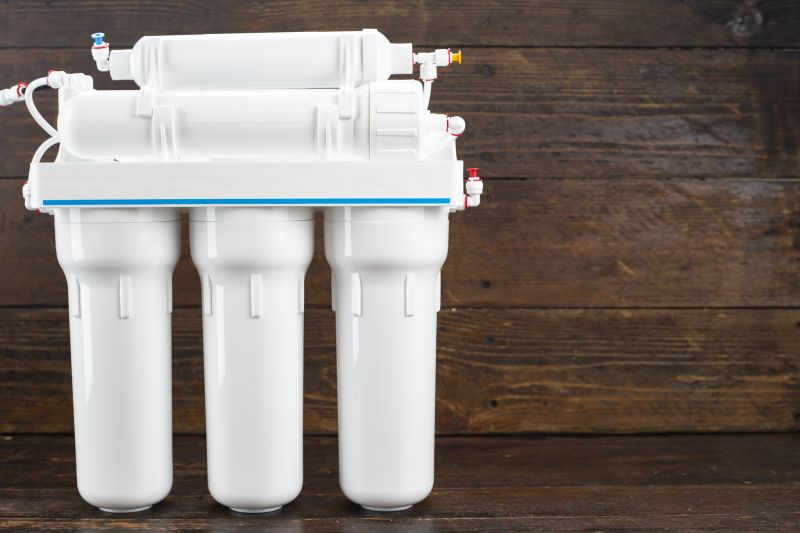
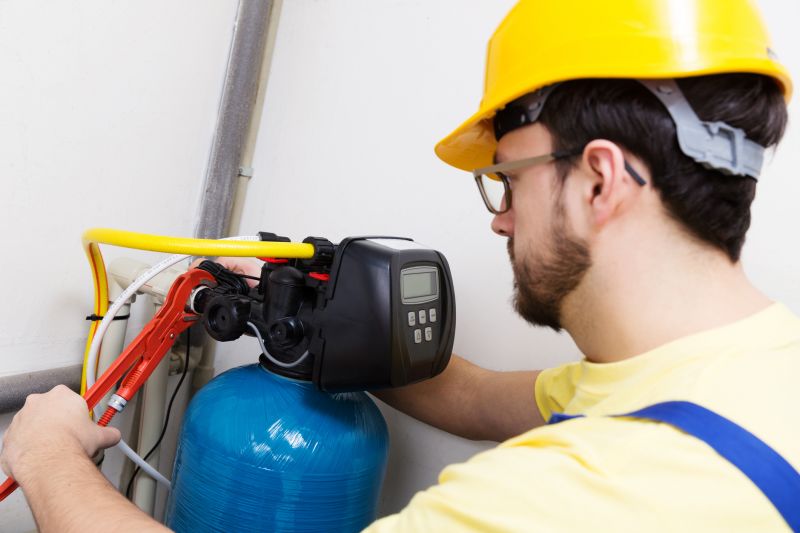

Use consistent comparison criteria to evaluate local contractors’ scope, experience, and written expectations for water treatment replacement.
- Scope Definition - Clearly outline the specific tasks involved in water treatment replacement to ensure mutual understanding.
- Material Specifications - Identify the types and quality of water treatment systems and components to be installed or replaced.
- Experience and Expertise - Verify the relevant experience of local contractors with water treatment system replacements.
- Work Responsibilities - Specify the responsibilities of the service providers, including removal, installation, and system testing.
- Documentation and Agreements - Ensure all scope details are documented in writing to set clear expectations for the project.
When comparing contractors for water treatment replacement, it is important to consider their experience with similar projects. Homeowners should inquire about the types of water treatment systems they have installed and maintained in the past, ensuring the service providers are familiar with the specific equipment and challenges associated with water treatment upgrades. Contractors with a proven track record in handling projects comparable in scope and complexity are more likely to deliver reliable results and handle unexpected issues effectively.
A clear, written scope of work is essential for setting expectations and ensuring both parties are aligned. Homeowners should seek detailed descriptions of the services included, such as system removal, installation, testing, and any necessary adjustments. A comprehensive scope helps prevent misunderstandings and provides a basis for evaluating how well each contractor understands the project requirements. Service providers who can articulate their approach in writing demonstrate professionalism and transparency, making it easier to compare options objectively.
Verification basics involve confirming that contractors have a solid understanding of the necessary steps and standards for water treatment replacement. Homeowners should ask about the methods used to assess existing systems, the types of materials and equipment recommended, and how they plan to ensure the new system functions correctly. While formal licensing or certification may not be discussed, understanding a contractor’s approach to quality assurance and their familiarity with local regulations can help gauge their competence and reliability.
Evaluating options without focusing on prices involves examining the quality of proposals, the clarity of communication, and the professionalism demonstrated by each service provider. Homeowners should compare how well each contractor describes their process, the level of detail provided in their scope, and their approach to troubleshooting potential issues. It is also helpful to consider references or past project examples to assess a contractor’s experience and consistency. By focusing on these qualitative factors, homeowners can make informed choices that align with their project needs and expectations.
Ask contractors to provide written scope details to ensure clear understanding and consistent expectations for the project.
- Scope of Work - What specific tasks and responsibilities are included in the water treatment replacement?
- Experience and Expertise - How long have the service providers been performing water treatment replacements, and what types of systems have they handled?
- Comparison of Services - How do the services offered by different local contractors differ in terms of process and included features?
- Work Guarantee and Warranties - What assurances or warranties do the service providers offer for their water treatment replacement work?
- Written Estimates and Agreements - Will the scope of work and expectations be clearly outlined in a written agreement before starting the project?
What should be included in a water treatment replacement scope of work? A clear scope of work should specify the types of treatment systems to be replaced, the materials and equipment involved, and any specific procedures or standards expected during the process.
How can I verify a contractor’s experience with water treatment replacements? It’s helpful to review their previous projects, ask for references, and confirm their familiarity with the specific treatment systems you have in place.
Why is it important to compare multiple contractors for water treatment replacement? Comparing contractors allows for understanding different approaches, ensuring clarity on the scope, and selecting a service provider that aligns with your expectations and needs.
What questions should I ask a contractor before hiring for water treatment replacement? Inquire about their experience with similar systems, the process they follow, how they handle unexpected issues, and how they define project scope and responsibilities in writing.
How can I ensure a water treatment replacement project meets my expectations? Clearly define the scope of work in writing, ask detailed questions about the process, and verify the contractor’s experience to ensure alignment with your requirements.
What role does written communication play in water treatment replacement projects? Written documentation helps set clear expectations, define project scope, and serve as a reference to avoid misunderstandings during the replacement process.
This page has provided an overview of how to effectively compare water treatment replacement contractors by understanding their scope of work, verifying their experience, and establishing clear expectations in writing. It emphasizes the importance of gathering detailed information to make informed decisions and highlights the value of working with experienced service providers who can meet specific project needs.
To find the right contractor for the job, visitors are encouraged to use the quote form to connect with trusted local service providers. Comparing your options through this process can help identify the best match for your water treatment replacement project, ensuring you have the information needed to move forward confidently.